
Maintenance Scheduling
Preventive vs Reactive Exterior Maintenance: The Real Cost of Waiting
September 27, 2026 · 8 min read
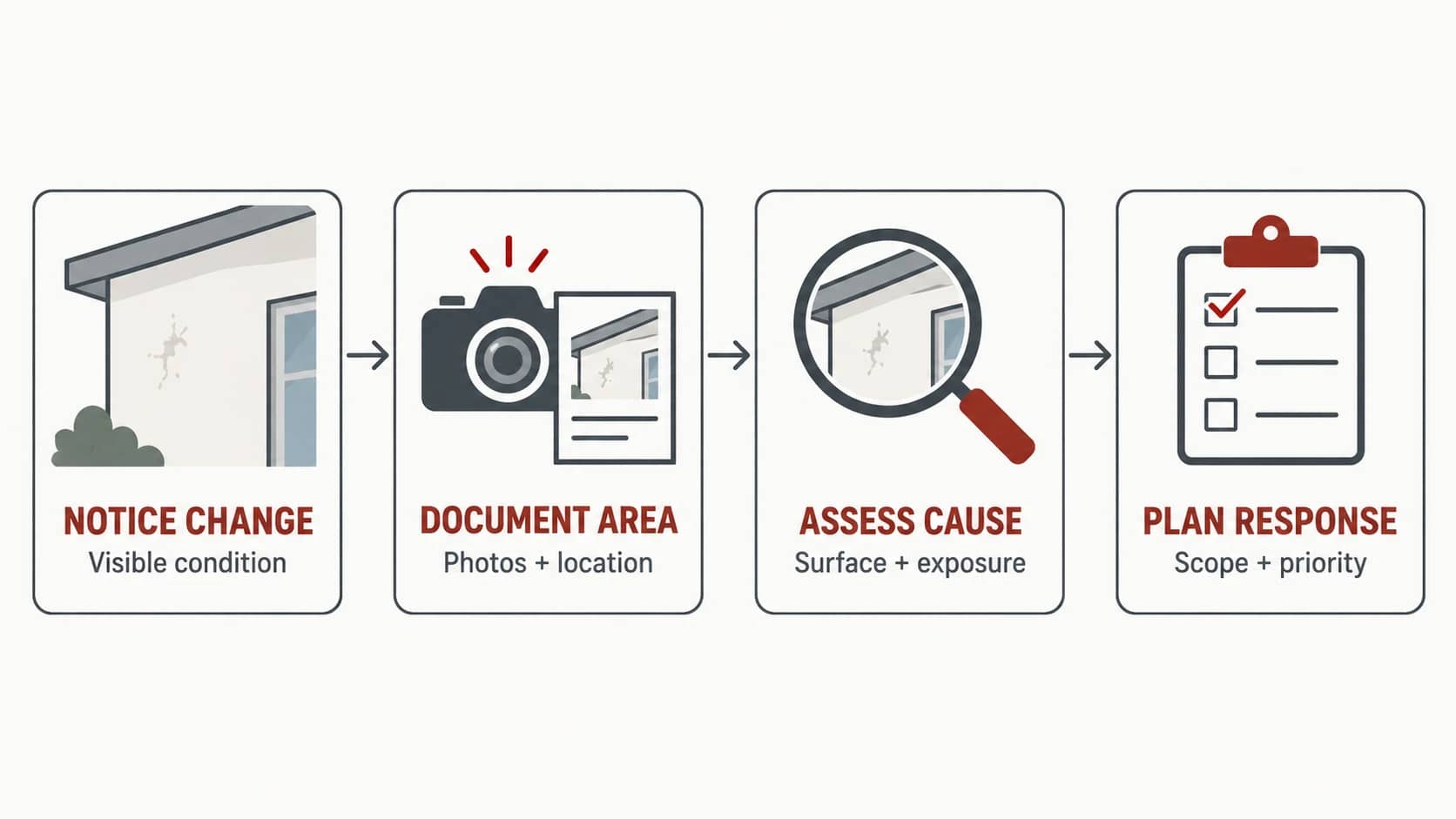
Is preventive exterior maintenance worth it? Yes, preventive maintenance is worth it because it saves money in the long run by preventing costly repairs and extending the lifespan of your building's exterior. This article will explore the mechanisms behind this, the impact of organic growth on coatings, and the consequences of deferred maintenance on waterproofing and paint.
Direct answer: preventive wins, here is the mechanism
Preventive maintenance is more cost-effective than reactive maintenance because it addresses issues before they escalate into major problems. Regular cleaning and maintenance can prevent the deterioration of critical components, such as waterproofing and paint, which are essential for protecting the structural integrity of a building. By addressing small issues early, you can avoid the need for extensive and expensive repairs later on.
When you defer maintenance, small issues like mildew, algae, and dirt accumulation can lead to more significant problems. For example, unchecked organic growth can degrade coatings and compromise waterproofing, leading to water infiltration and structural damage. This not only increases the cost of repairs but also affects the building's energy efficiency and aesthetic appeal. On the other hand, a proactive approach can help you maintain a high standard of appearance and functionality, which is crucial for property value and tenant satisfaction.
What organic growth does to coatings
Organic growth, such as algae and mildew, can significantly damage coatings. These organisms thrive in moist environments and can rapidly spread across surfaces, especially in the humid climate of South Florida. The ARMA technical bulletin on Algae Discoloration of Roofs identifies Gloeocapsa magma as the primary culprit and recommends using sodium hypochlorite with a gentle rinse to remove it. However, it also warns that high-pressure washing can damage asphalt roofing, which is a common material in many buildings.
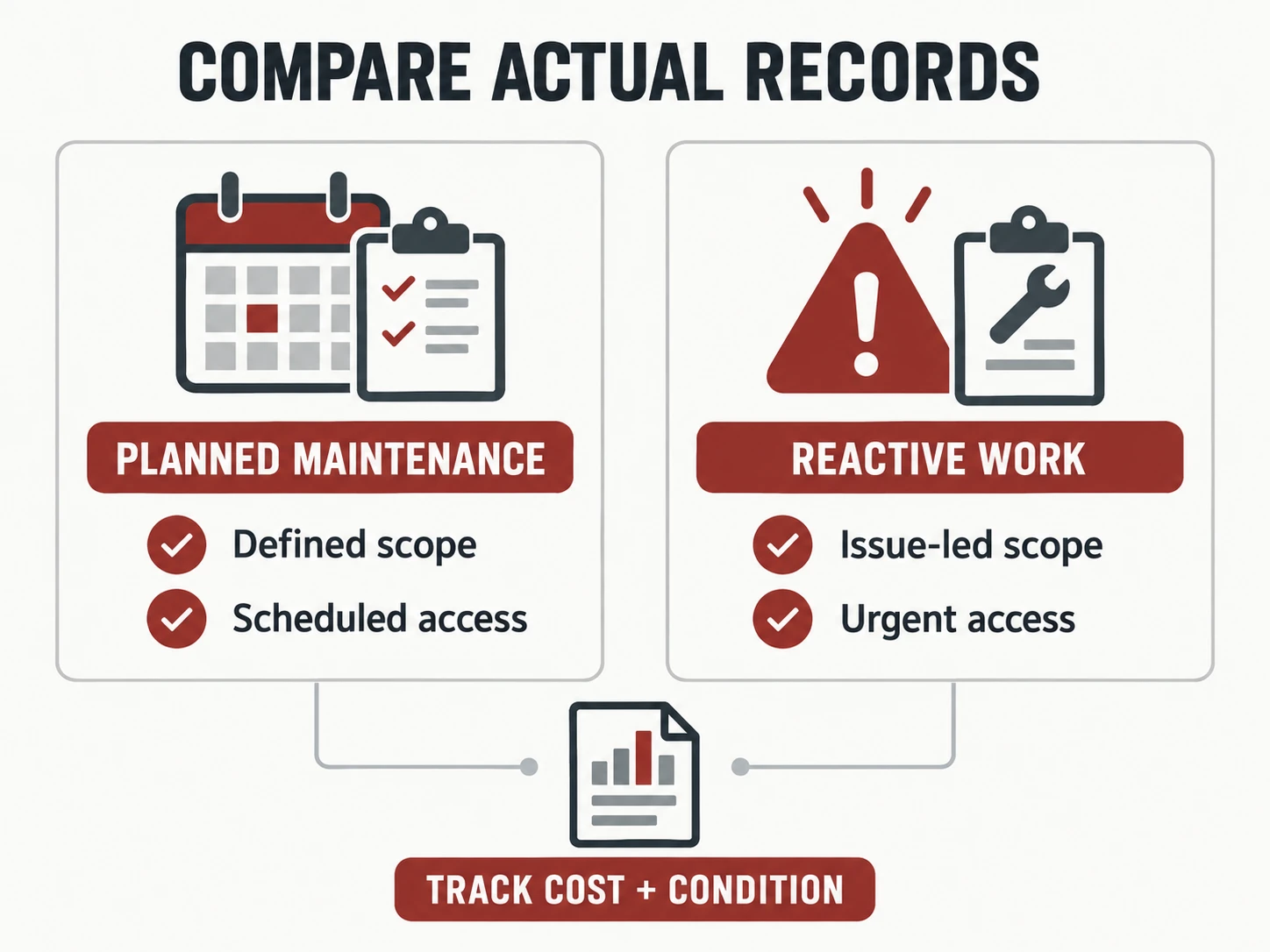
When organic growth is left unchecked, it can penetrate the surface of coatings, causing them to deteriorate over time. This not only affects the appearance of the building but also reduces the protective barrier that coatings provide. As the coating degrades, it becomes more susceptible to water infiltration, which can lead to more serious issues like rot and structural damage. Regular soft washing and roof cleaning can prevent this cycle of deterioration and help maintain the integrity of your building's exterior.
What deferral does to waterproofing and paint
Deferred maintenance can have a devastating impact on waterproofing and paint, which are critical components of a building's exterior. According to Fla. Stat. 718.112(2)(g) (2025 text), a structural integrity reserve study must cover waterproofing and exterior painting, among other items, for residential condos of three or more habitable storeys. This statutory requirement underscores the importance of maintaining these elements to prevent costly repairs and ensure the long-term stability of the building.
When waterproofing is compromised, water can seep into the building's structure, leading to a host of problems. Moisture can cause wood to rot, metal to corrode, and concrete to deteriorate. This not only weakens the building's structural integrity but also creates a conducive environment for mold and mildew growth, which can pose health risks to occupants. Regular inspections and timely repairs can help identify and address issues before they become severe.
Similarly, deferred maintenance of exterior paint can lead to premature peeling, flaking, and cracking. Once the paint begins to break down, it no longer provides the necessary protection against the elements. This can result in increased energy costs due to reduced insulation and can also lead to more extensive and expensive repainting projects. By maintaining the paint on a regular basis, you can extend its lifespan and ensure that it continues to serve its protective function effectively.
HomeGuide's commercial pressure washing cost guide (dated Oct 9, 2025) reports that routine commercial building exterior cleaning ranges from $0.15 to $0.90 per square foot, whereas intensive restoration cleaning runs $0.40 to $1.00 per square foot based on access height, surface condition, water source and containment, and the work window, such as night or weekend work. A detailed, itemized quote from 2Clean's commercial HOA services — call or text (904) 826-9806 with a photo for a written price — can help you scope your property before routine buildup turns into a restoration project.
The reserve-study connection
Preventive maintenance is directly tied to the statutory requirements for reserve studies. Florida Statute 718.112(2)(g) mandates that a structural integrity reserve study must cover roof, structure, fireproofing, plumbing, electrical, waterproofing and exterior painting, windows, and exterior doors for residential condos of three or more habitable storeys, at least every ten years. Deferring maintenance can lead to accelerated deterioration of these critical components, increasing the financial burden on the reserve fund and the overall building.
When maintenance is delayed, the damage to these statutory items can become more severe and costly to repair. For example, a leaky roof can lead to water damage, mold growth, and structural issues, all of which require extensive and expensive repairs. Similarly, neglected exterior painting can lead to wood rot and structural decay, further complicating the maintenance process.
The reserve study is a financial plan that helps associations prepare for these large-scale repairs and replacements. By incorporating preventive maintenance into the Florida condo and HOA exterior maintenance obligations, associations can avoid unexpected expenses and ensure that funds are available when needed. This proactive approach not only protects the building's integrity but also maintains property values and reduces the financial strain on homeowners.
Building a preventive programme
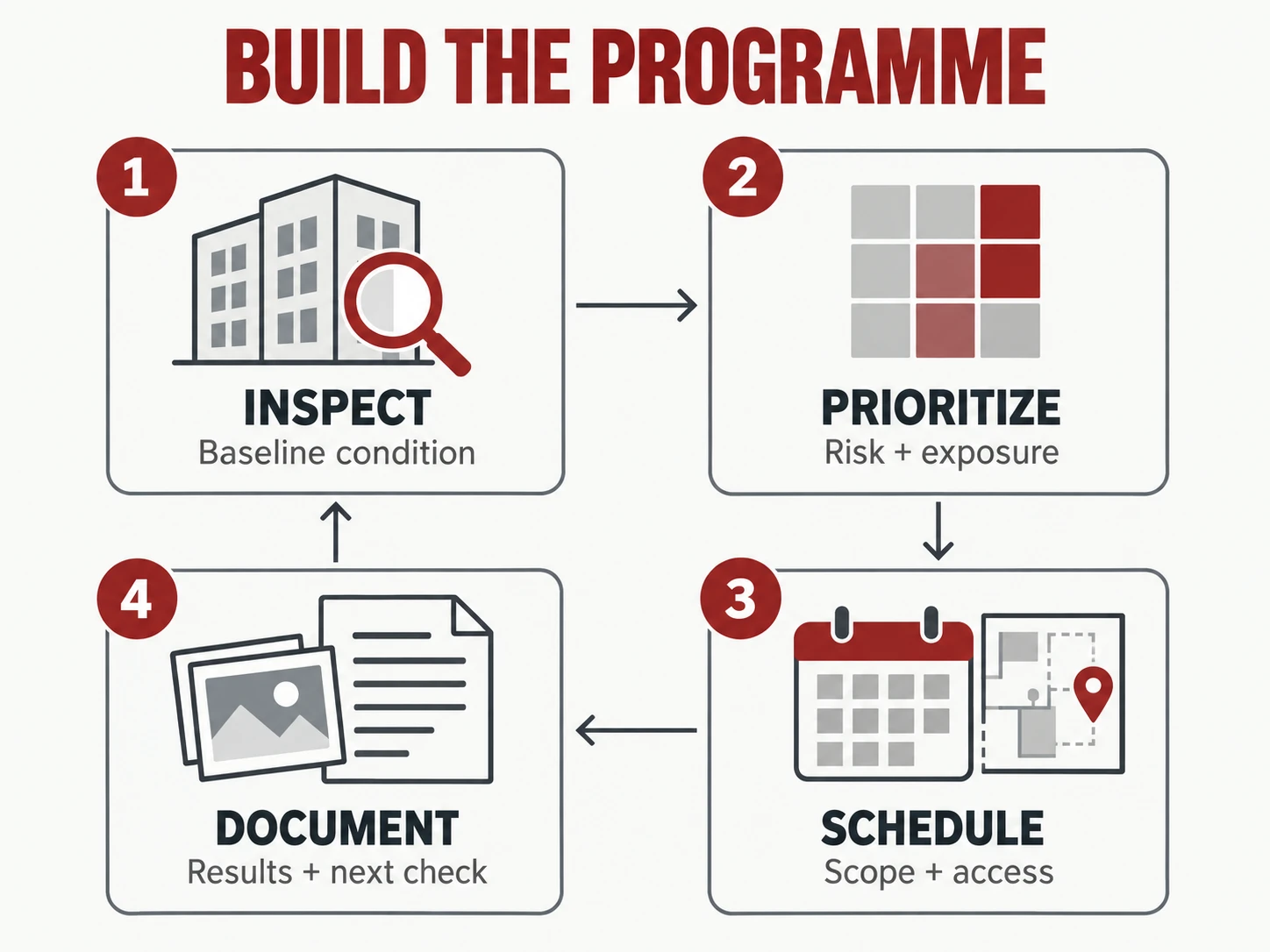
Creating a preventive maintenance programme is essential for managing the long-term health and financial stability of a property. The programme should cover all statutory items listed in the reserve study, including the roof, structure, fireproofing, plumbing, electrical systems, waterproofing, exterior painting, windows, and exterior doors.
A well-structured preventive maintenance programme includes regular inspections, scheduled cleanings, and timely repairs. For instance, regular roof inspections can identify small issues before they become major problems. The Asphalt Roofing Manufacturers Association (ARMA) advises using sodium hypochlorite with a gentle rinse to address algae discoloration, emphasizing that high-pressure washing can damage asphalt roofing. This gentle approach ensures that the roof remains intact and functional.
Waterproofing and exterior painting are also critical components of a preventive programme. Regular cleaning and recoating can extend the life of these surfaces and prevent water infiltration, which can lead to costly repairs. For multi-story buildings, access height and surface condition are key factors that affect the cost of these services. Published vendor estimates from Hydro Wash 360 (dated May 11, 2026, citing no underlying dataset) place annual HOA pressure washing budgets at $3,000 to $6,000 for small communities under 75 units, $6,000 to $15,000 for mid-sized communities of 75 to 200 units, and $15,000 to $25,000+ for 200+ units, though a detailed quote should always be itemized for your actual surfaces — see our commercial exterior cleaning frequency calendar to plan your intervals.
Deferral timeline vs damage progression
| Maintenance Deferral | Damage Progression | Cost Impact |
|---|---|---|
| 0-1 year | Minor wear | Low |
| 1-2 years | Noticeable damage | Moderate |
| 2-3 years | Significant damage | High |
| 3+ years | Severe damage | Very High |
This table illustrates how deferring maintenance can lead to increasingly severe damage and higher costs. Regular preventive maintenance can help mitigate these issues and keep expenses manageable.
Measuring whether it is working
Evaluating the effectiveness of a preventive maintenance programme is crucial for ensuring that it is achieving its intended goals. Key performance indicators (KPIs) can help track the success of the programme. These KPIs include the frequency and severity of maintenance issues, the condition of statutory items, and the overall cost of maintenance and repairs.
Regular inspections and detailed documentation are essential for measuring the programme's effectiveness. For example, tracking the frequency of roof leaks, the extent of water damage, and the condition of exterior paint can provide valuable insights. If the programme is working, you should see a decrease in the number and severity of issues over time.
Another important metric is the cost of maintenance versus the cost of repairs. A preventive maintenance programme should ideally reduce the need for major repairs and replacements, leading to lower overall costs. Comparing Fixr's published soft-wash roof cleaning range of $0.30 to $0.75 per square foot (updated Jan 31, 2025) and stucco soft-washing range of $0.33 to $0.45 per square foot against the capital cost of premature roof or coating replacement provides a clear financial justification for scheduled upkeep.
Preventive vs reactive cost model
| Maintenance Type | Initial Cost | Ongoing Cost | Total Cost (5 years) |
|---|---|---|---|
| Preventive | Low | Low | Moderate |
| Reactive | High | High | Very High |
This table demonstrates the long-term financial benefits of a preventive maintenance programme. While the initial and ongoing costs of preventive maintenance may be lower, the total cost over five years is significantly less than the high costs associated with reactive repairs.
By implementing a robust preventive maintenance programme and regularly measuring its effectiveness, property managers, HOA board members, and facilities leads can ensure the long-term health and financial stability of their buildings. For more detailed information on our commercial and HOA services, visit our commercial HOA services page or use the Exterior Cleaning Scope and Frequency Planner.
Sources
Frequently asked questions
Is preventive maintenance cheaper than reactive repair?
Preventive maintenance typically costs less than reactive repair because it addresses issues before they escalate into major problems, reducing the need for extensive and costly repairs.
Is preventive exterior maintenance worth it?
Preventive exterior maintenance is worth it as it extends the lifespan of building components, reduces the risk of sudden failures, and maintains property value and aesthetics, ultimately saving money in the long run.
What does deferring cost?
Deferring maintenance can lead to higher costs due to the accumulation of issues that require more extensive and expensive repairs, potential structural damage, and decreased property value.
How do you build a preventive programme?
To build a preventive maintenance program, conduct regular inspections, prioritize critical components like the roof and exterior, create a schedule for routine cleaning and repairs, and document all maintenance activities to ensure consistency and accountability.
Is preventive really cheaper?
Preventive maintenance is generally cheaper because it prevents small issues from becoming major problems, reducing the frequency and cost of repairs and replacements.
How do we measure it?
Measure the effectiveness of preventive maintenance by tracking the frequency and cost of repairs, the condition of building components over time, and the overall maintenance budget to see if costs are decreasing and performance is improving.
Custom Commercial & HOA Walkthroughs
Need a scope tailored to your South Florida property?
Every building, plaza, and community has its own surface mix, access windows, and drainage layout. We quote by walkthrough rather than fixed rate sheets so your proposal matches your exact property. Call us directly at (904) 826-9806 or request a written scope online.
Related services & tools
Commercial & HOA by South Florida city: