
Maintenance Scheduling
How Often Should Parking Lots and Parking Garages Be Cleaned?
October 18, 2026 · 10 min read
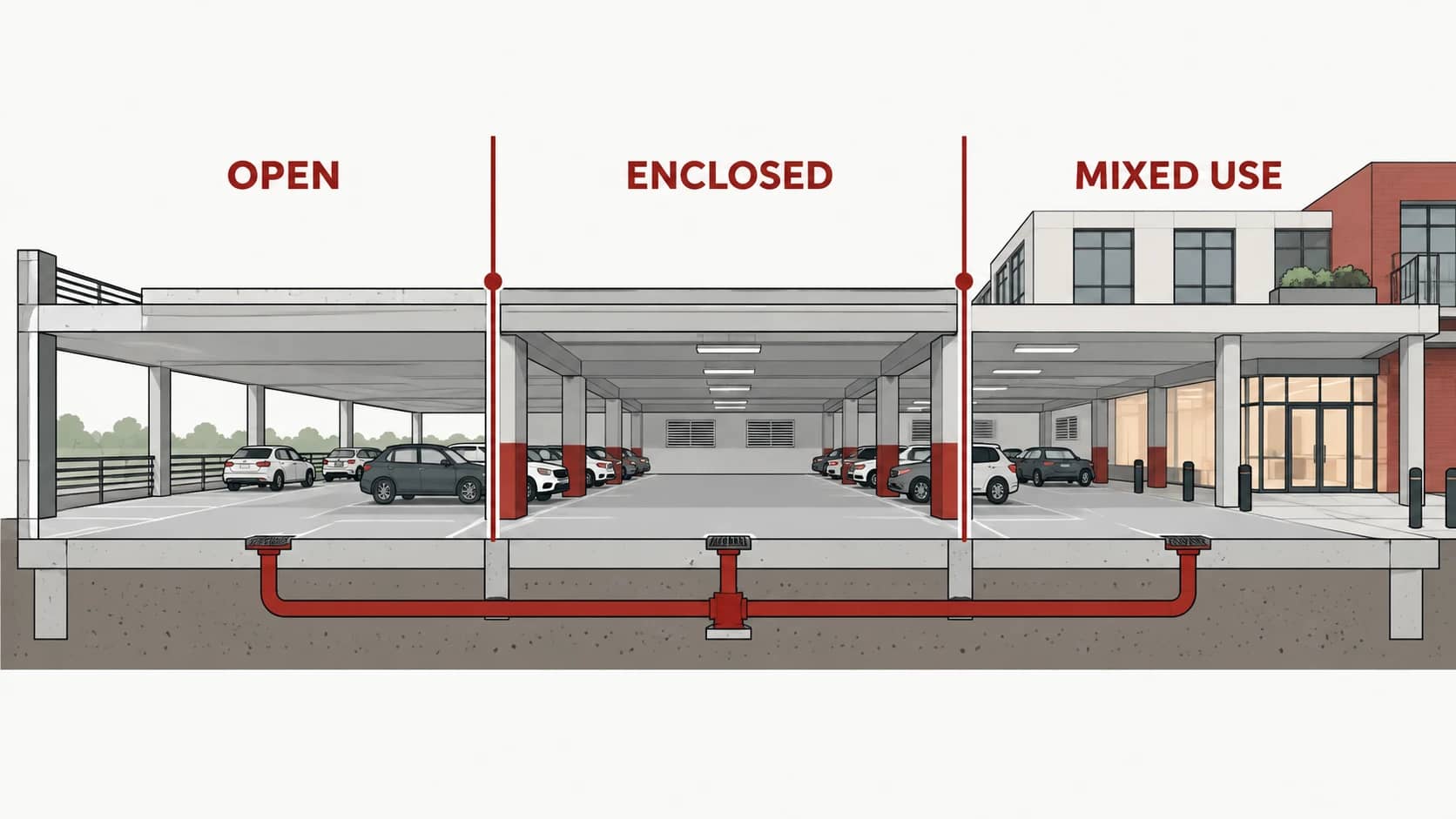
The answer to how often should parking lots and parking garages be cleaned depends on traffic, spills, drainage, and the condition of each area. Remove spills promptly, sweep before debris accumulates, and plan a full wash when routine cleaning no longer controls staining or buildup. Inspect busy entrances and enclosed areas more often than quiet, open spaces.
How often should parking lots and parking garages be cleaned?
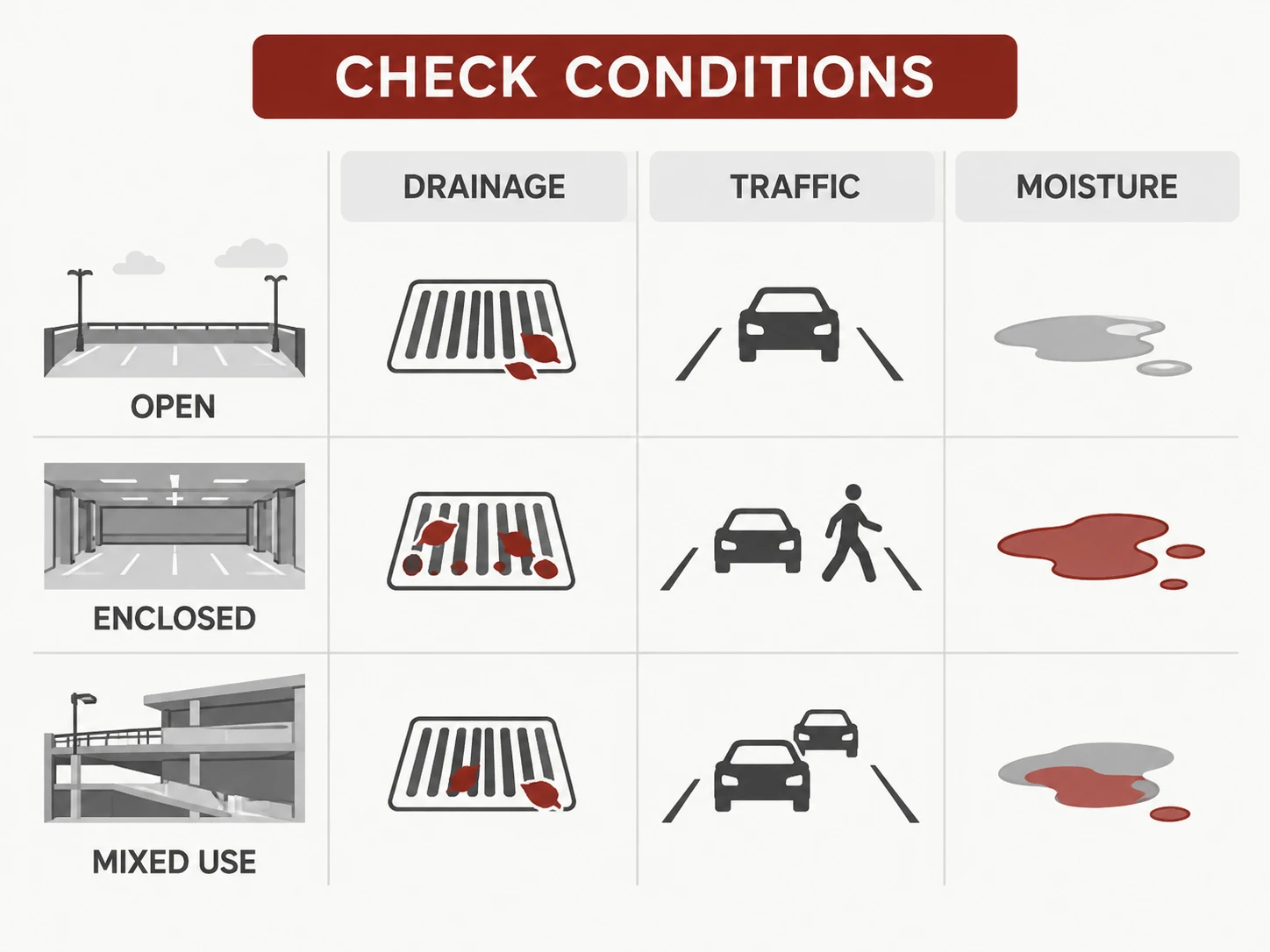
Start with routine sweeping and prompt spill cleanup, then set a separate interval for washing the pavement. For high-traffic concrete, 4 Pro Wash's guidance lists washing once or twice a year, but that published interval is a starting point rather than a rule for every lot or garage.
A fixed property-wide schedule can leave the busiest areas dirty while paying to wash quiet areas that do not need it. Walk the site after normal use and after heavy rain. Note where tire residue, litter, oil, standing water, or tracked-in dirt returns first, and use those observations to set priorities.
| Area or condition | Routine attention | Full-wash decision |
|---|---|---|
| Entrances, exits, and ramps | Check for tracked dirt, tire marks, and fluid spills. | Wash when sweeping and spot treatment no longer restore the surface. |
| Pedestrian routes and accessible paths | Keep debris and spills from accumulating. | Prioritize visible residue or slick buildup. |
| Parking bays | Sweep litter and treat isolated stains. | Wash according to overall soil buildup. |
| Low spots and areas near drains | Clear debris and check for standing water. | Investigate recurring water or staining before washing again. |
| Lightly used open areas | Inspect during regular site walks. | Extend the interval if the surface remains clean. |
Record what prompted each wash. A simple log of affected areas, staining, weather, and work performed gives the next budget cycle a better basis than an identical schedule for every deck and lot. The commercial property exterior maintenance checklist can help place pavement care alongside other site work.
What routine cleaning and a full wash should cover
Routine cleaning removes loose material and deals with small problems before they spread. A full wash addresses adhered dirt and broad staining, but it should be scoped by surface and condition rather than described as cleaning everything in the garage.
Sweeping should include corners, curbs, wheel stops, and drain approaches where litter collects. Spot work may include a fresh fluid spill or a concentrated stain near a parking space. Neither task replaces investigation of a leak that keeps producing the same stain.
Parking garage pressure washing can cover drive lanes, ramps, bays, and pedestrian routes when the surface is suitable. A contractor should identify coatings, joints, damaged concrete, electrical equipment, and adjacent finishes before choosing pressure, cleaning products, and equipment. Some marks need pretreatment or more than one pass; others may remain visible even after appropriate cleaning.
Keep stairs, elevator lobbies, and trash rooms on their own housekeeping schedule. Their use and sources of dirt differ from a vehicle deck, so a pavement wash should not be treated as proof that those spaces are clean. OSHA's walking-working surface rule calls for surfaces to be kept clean, orderly, and sanitary, with spills addressed and conditions inspected regularly.
How drainage changes the cleaning plan
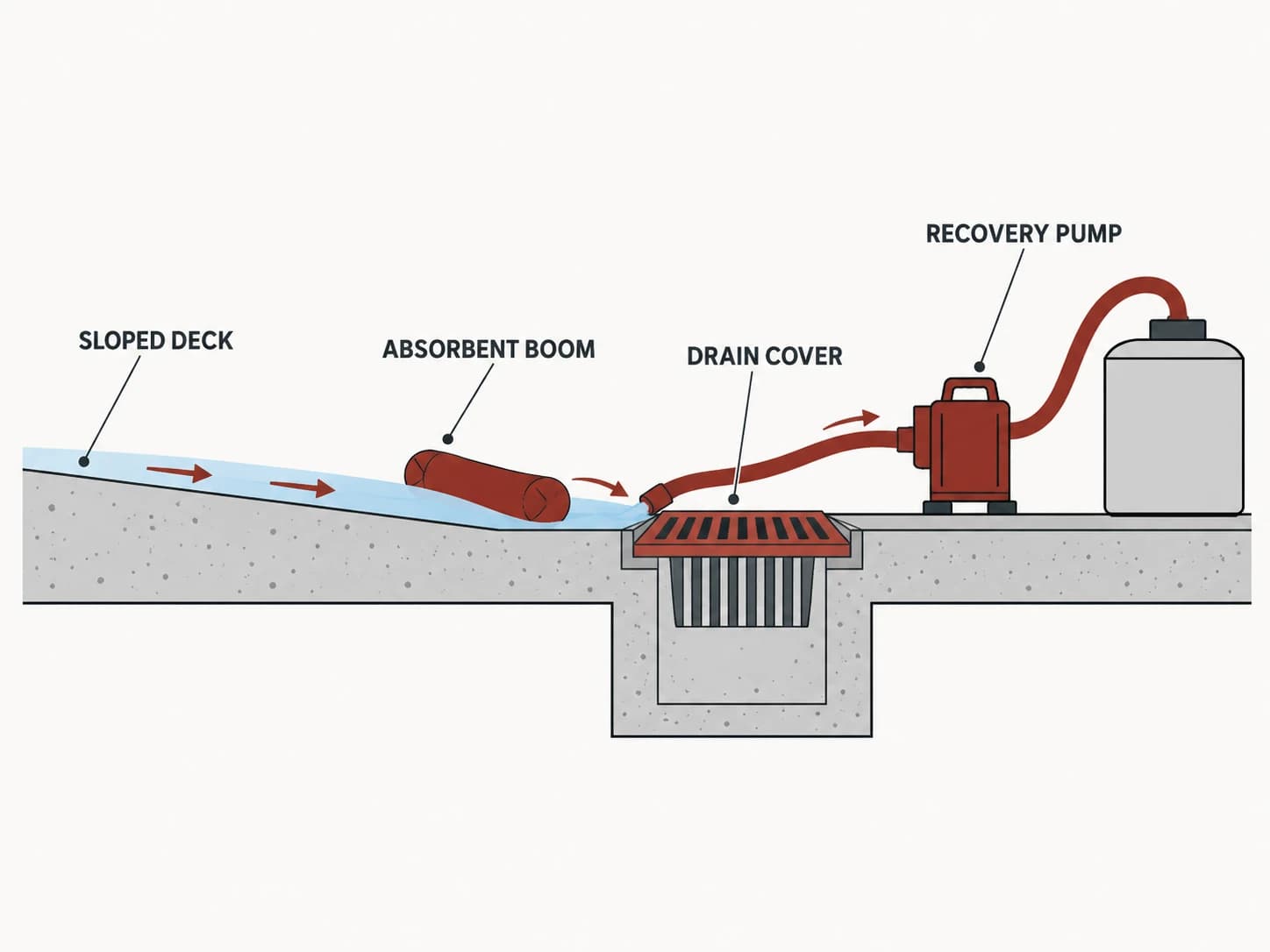
Drainage determines where soil and wash water collect, so it affects both cleaning frequency and method. If water repeatedly ponds, cleaning may remove the visible residue but will not correct the condition that brings it back.
Look at low spots, drain inlets, joints, and the paths water follows between levels. Leaves and sediment can block an inlet; a persistent puddle can also signal a surface or drainage issue that needs separate attention. Note the location and refer recurring defects to the person responsible for the structure.
Plan wash-water control before work begins. The US EPA's MS4 rule requires permittees to effectively prohibit non-stormwater discharges into storm sewers and maintain a program to detect and eliminate illicit discharges. Florida DEP administers the state's MS4 stormwater program, while Miami-Dade County Code section 24-42 prohibits discharges into county waters that cause water pollution or a nuisance. These sources support checking the discharge path and applicable site requirements; they do not make every drain the same.
A bid should explain how the crew will protect drains, collect wash water where needed, and handle disposal. Drain covers, barriers, and recovery equipment may be appropriate, depending on where water flows. Confirm the plan for each level of a garage and for open lots before approving the scope.
When to clean sooner than planned
Move cleaning forward when a spill, slick residue, blocked drain, or accumulating debris affects use of the property. Do not wait for the next full wash to address a localized problem that can be cleaned or isolated now.
Oil and other vehicle fluids may need targeted treatment. Tire marks often collect at turns, entrances, and ramps, but the entire deck may not need the same treatment. Ask for those areas to be identified in the scope so the crew can spend time where the residue is concentrated.
Odors deserve a closer look before another wash is booked. Trash, organic debris, standing water, and recurring fluid spills can each contribute. Locate and address the source, then clean the affected area; fragrance or a broad rinse will not resolve a continuing leak or drainage problem.
For walking routes, consider how a surface feels and looks when wet as well as when dry. The US Access Board's ADA Standards say floor and ground surfaces must be stable, firm, and slip resistant. A cleaning plan should help maintain usable routes, while damaged or unsuitable surfaces may require repair beyond cleaning.
Open lots and garages need different scopes
An open lot is generally easier to reach with equipment, but runoff paths and weather exposure still need planning. A garage adds levels, ramps, columns, ventilation considerations, and vehicle circulation, which can make sectional work more practical.
For an open lot, map pavement, curbs, pedestrian approaches, landscaping edges, and storm drains. Debris may return after wind or rain, so the full-wash interval should reflect what routine sweeping actually controls. If a stain comes from a continuing vehicle leak, spot treatment and follow-up inspection may be more useful than repeatedly washing the whole lot.
For a garage, map each level separately. Upper decks exposed to weather can collect different soil from covered levels, while ramps and turns often show concentrated tire residue. Identify floor coatings and sensitive joints before washing; a method suitable for bare pavement may be unsuitable elsewhere.
A garage can sometimes be cleaned in sections while remaining in use, provided vehicles and pedestrians can be kept out of the active work area and clean sections can be reopened safely. Phasing can increase setup time. The guide to night and after-hours exterior cleaning explains when work outside normal occupancy may be worth considering.
What parking garage pressure washing cost figures can tell you
Published parking garage pressure washing cost figures are useful for budget context, not as a quote for a particular property. The most useful comparison is a written scope that states the area, surface condition, stain treatment, access plan, and wash-water method.
HomeGuide's commercial pressure washing guide (Oct 9, 2025) lists parking garages at $0.10 to $0.25 per square foot and parking lots at $8 to $20 per space. Kleanway's published Miami figures (Apr 14, 2026) list parking lot cleaning at $0.10 to $0.25 per square foot. These are different pricing units, so a per-space figure should not be compared with a per-square-foot figure without knowing what area and work each includes.
Public procurement records show why scope matters. Broward County's 2017 price analysis lists garage lower levels at about $0.050 per square foot per cleaning and surface lots at $0.020 to $0.025 per square foot. Those were public-contract analysis figures, not a current quote for a private property. The City of Coral Gables' parking garage bid notice (Dec 6, 2024) lists bids of $38,000, $64,321, and $172,930 for the same stated procurement, without square footage in the notice.
For a useful bid comparison, request the same description from each bidder:
| Scope item | What to specify |
|---|---|
| Measurement | Deck area, lot area, or spaces included, with exclusions stated. |
| Soil and stains | General wash, oil pretreatment, and tire-mark treatment as distinct work. |
| Access | Vehicle removal, sectional closures, equipment access, and work hours. |
| Water | Drain protection, recovery method, and intended disposal route. |
| Completion | Areas to inspect and any marks the contractor expects to remain. |
Oil and tire-mark removal may take more time than a general surface wash, so ask whether it is included or separately priced. Night work and traffic control also change the amount of labor and setup involved. A commercial pressure washing cost guide offers broader context, while the commercial pressure washing contract guide covers what to put in writing.
Turn site observations into a workable schedule
Set the schedule after a walkthrough, then revise it when the site shows you what returns between visits. This gives a property manager or board a reason for each task and a clearer basis for comparing future bids.
Separate the plan into sweeping, prompt spill response, targeted stain work, and full washing. Assign entrances, ramps, walking routes, bays, and drain approaches to the appropriate tasks. For condo and HOA properties, identify who reports a fresh spill and who can authorize work before a problem waits for the next scheduled visit.
Schedule larger work around occupancy and communicate which areas will be unavailable. Ask how pedestrians will reach entrances and how drivers will move between open sections. After the wash, inspect representative areas together, including known stains and drain approaches, before treating the job as complete.
South Florida's Atlantic hurricane season runs from June 1 to November 30, according to NOAA. A pre-season site walk can identify debris around drains, while a post-storm walk can reveal new deposits or blockages. Weather is a reason to inspect conditions, not an automatic reason to pressure wash an otherwise clean lot.
Frequently asked questions
The right cleaning interval depends on the task and the area, so the answers below distinguish routine care from full washing. They also address related maintenance questions that come up when planning parking area work.
How often should a parking garage be pressure washed?
Use the garage's observed soil buildup, traffic pattern, and surface condition to set its full-wash schedule. For high-traffic concrete, 4 Pro Wash's guidance lists washing once or twice a year, but ramps, entrances, and spill locations may need attention sooner. Keep sweeping and prompt spill cleanup on separate schedules, and review the full-wash interval after inspecting how quickly residue returns.
What are the best ways to clean a garage?
Start by removing loose debris, then treat spills and concentrated stains before washing suitable pavement. Check coatings, joints, drains, and nearby equipment so the method fits the surface and wash water has a planned route. Clean in sections if the garage must remain partly operational, and keep pedestrian routes separated from the active work area.
Does parking garage cleaning require water recovery?
The answer depends on where the wash water can flow and the applicable discharge requirements. The US EPA's MS4 rule addresses non-stormwater discharges into storm sewer systems, so a contractor should identify drains and the water's destination before washing. Ask the bidder to state the drain protection, collection, and disposal method for the property rather than assuming water can be rinsed away.
How often do parking lots need to be striped?
Striping follows the condition and visibility of the markings, not the washing schedule. Inspect stall lines, arrows, pedestrian routes, and accessible-space markings during regular site walks and after work that may have affected them. Cleaning can reveal faded paint, but pressure washing does not replace restriping. Obtain a separate assessment when markings are difficult to see or the layout needs attention.
What time of year should you pressure wash your driveway?
For a parking property, choose a time when the surface can be cleared, the work area controlled, and wash water managed. South Florida's wet weather can bring fresh debris after a wash, so inspect conditions before committing to a date. Address spills and blocked drains when they appear; do not hold those tasks for a preferred season.
Sources
For help defining a lot or garage cleaning scope, review 2Clean's pressure washing service.
2Clean does not publish a price list: every property is priced individually. For a written price, call or text a photo to (904) 826-9806, or request a quote online.
Custom Commercial & HOA Walkthroughs
Need a scope tailored to your South Florida property?
Every building, plaza, and community has its own surface mix, access windows, and drainage layout. We quote by walkthrough rather than fixed rate sheets so your proposal matches your exact property. Call us directly at (904) 826-9806 or request a written scope online.
Related services & tools
Pressure Washing by South Florida city: