HOA & Condo Board (Florida Statute)
Florida Condo and HOA Exterior Maintenance Obligations: What the Statutes Actually Require
September 13, 2026 · 8 min read
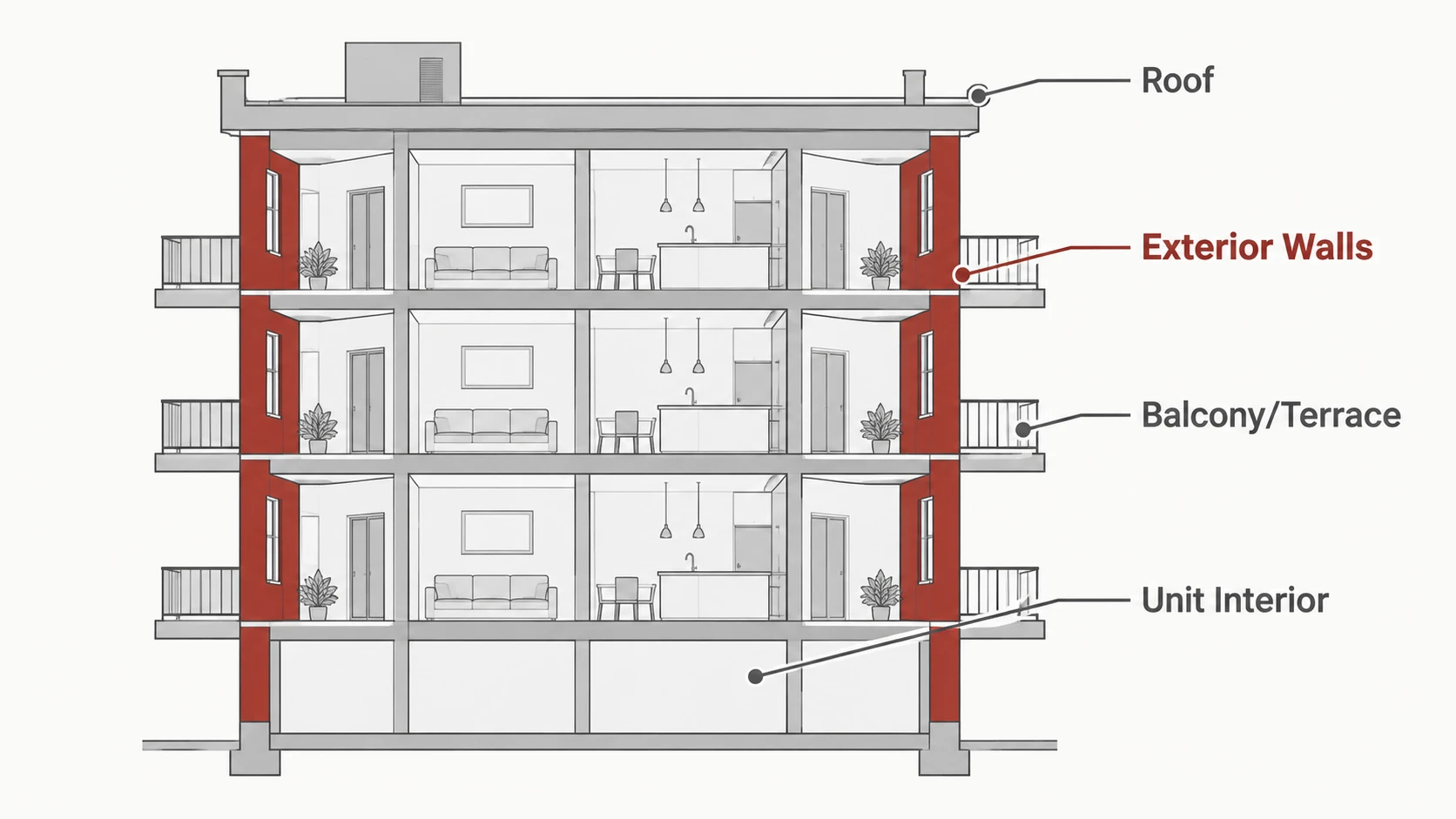
In Florida, the association is responsible for maintaining the common elements of a condominium, while individual unit owners are responsible for limited common elements assigned to them by the declaration. This article will break down the specific statutory requirements and how they apply to different parts of your property.
Direct answer: who is responsible
The association is responsible for maintaining the common elements of a condominium, as stated in Florida Statute 718.113(1). However, limited common elements, which are specific parts of the common elements assigned to individual units, are the responsibility of the unit owners, as outlined in the declaration.
This distinction is crucial for budgeting and maintenance planning. Understanding who is responsible for each part of the building ensures that all areas are properly maintained and that the financial burden is correctly allocated.
Fla. Stat. 718.113(1) and common elements
Fla. Stat. 718.113(1) clearly states that the maintenance of the common elements in a condominium is the responsibility of the association. This includes areas like the building's exterior walls, roofs, and common hallways. The statute ensures that these critical components are maintained to preserve the structural integrity and aesthetic appeal of the property.
The association's responsibility for common elements is not just a legal requirement; it is a practical necessity. Common elements are integral to the overall function and safety of the building. Regular maintenance, such as pressure washing and roof cleaning, helps prevent costly repairs and ensures that the property remains attractive to residents and potential buyers.
Limited common elements: the balcony and terrace problem
Limited common elements present a unique challenge because they are parts of the common elements assigned to specific units. Examples include balconies, terraces, and certain exterior walls. According to the declaration, the responsibility for maintaining these areas typically falls on the unit owners.
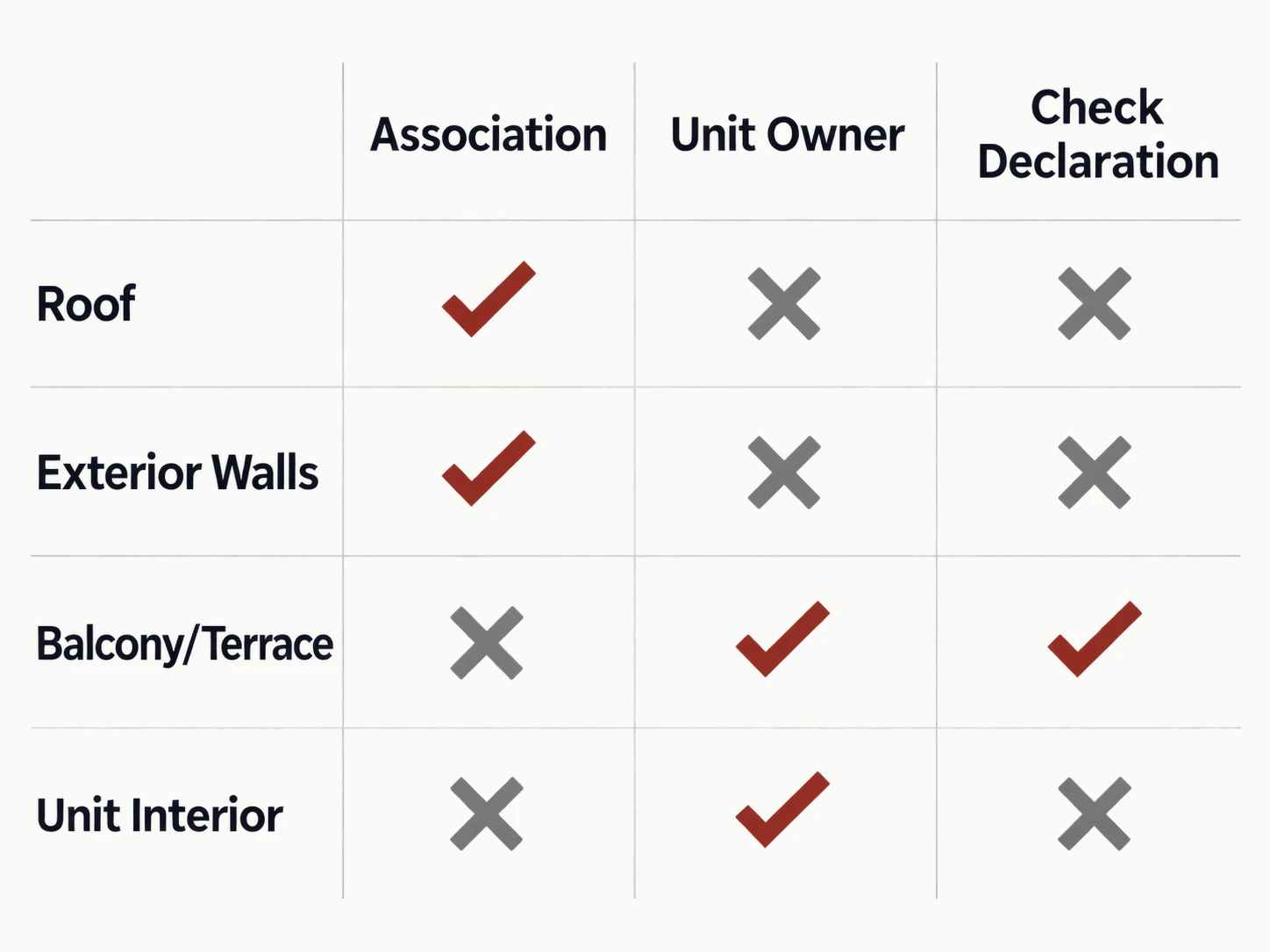
This can lead to issues if unit owners neglect their maintenance obligations. For instance, a balcony that is not properly pressure washed can become a breeding ground for mold and mildew, which can spread to other parts of the building. The association may need to enforce maintenance standards to ensure that all limited common elements are well-maintained.
It's also important to note that the association may need to step in if a unit owner fails to maintain their limited common elements. This can be addressed through the association's governing documents, which often include provisions for ensuring compliance.
Fla. Stat. 720.303 and HOA obligations
Fla. Stat. 720.303(6) addresses the financial obligations of homeowner associations (HOAs) regarding deferred maintenance. The statute allows HOAs to fund reserves specifically for maintenance projects that are not immediate but will be needed in the future. This provision helps ensure that the association has the necessary funds to address maintenance needs without resorting to special assessments.
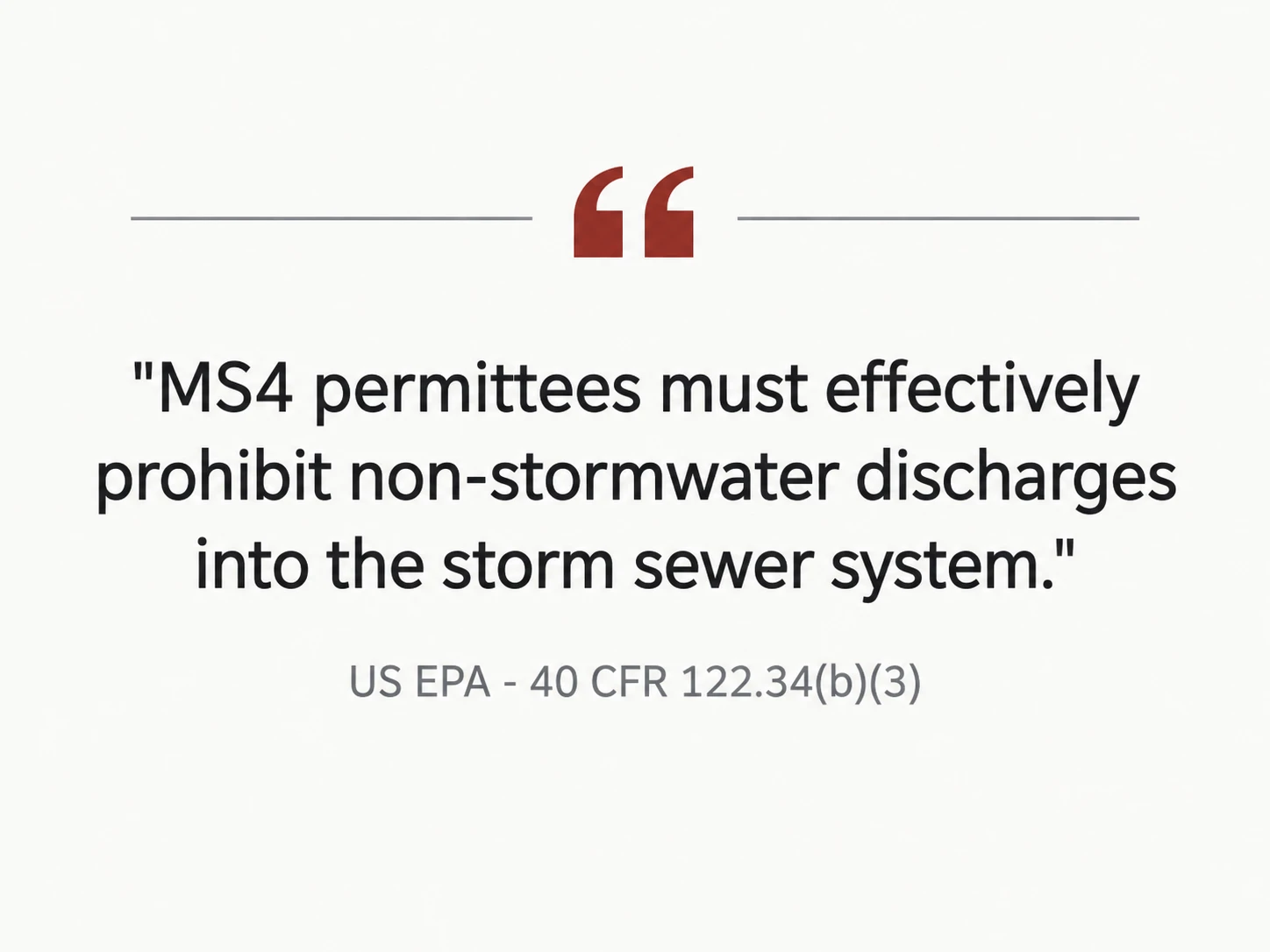
Underfunding these reserves can have significant consequences. If the association fails to adequately fund its reserves, it must provide a statutory notice that the underfunding "MAY RESULT IN SPECIAL ASSESSMENTS." This notice is a legal requirement and serves as a warning to homeowners that they may face unexpected financial burdens.
Properly funded reserves are essential for maintaining the long-term health and value of the community. Regular assessments and strategic planning can help the association avoid the need for special assessments and ensure that maintenance projects, such as pressure washing and roof cleaning, are completed on schedule.
Reading your declaration alongside the statute
The declaration of condominium or association bylaws is the first document to consult when determining maintenance responsibilities. While Florida statutes provide a framework, your specific document can assign duties differently, especially for limited common elements. Understanding both is crucial for compliance and budgeting.
The declaration often clarifies which surfaces are common elements and which are limited common elements. For example, the roof may be a common element, but balconies might be limited common elements. This distinction affects who pays for maintenance. If the declaration is ambiguous, the statutes can help resolve disputes.
For instance, Florida Statute 718.113(1) states that the association is responsible for maintaining common elements, except for limited common elements assigned to specific units. This means that if a balcony is a limited common element, the unit owner is typically responsible for its maintenance, unless the declaration states otherwise.
When reviewing the declaration, pay close attention to definitions and assignments. These documents can vary widely, and understanding your specific responsibilities is key to avoiding legal and financial issues.
When the association can compel an owner
The association has the right to compel unit owners to maintain limited common elements assigned to them. This right is derived from both the declaration and the relevant statutes. If an owner fails to perform necessary maintenance, the association can take action to ensure compliance.
Under Florida law, associations have several tools at their disposal. For instance, if a unit owner neglects to maintain a limited common element, the association can issue a notice of violation and, if necessary, bring legal action to enforce maintenance. This is particularly important for safety and aesthetic reasons, as neglect can lead to structural issues and decreased property values.
The process typically starts with a written notice outlining the specific maintenance requirements and a deadline for compliance. If the owner still fails to act, the association can hire a contractor to perform the necessary work and bill the owner. This ensures that the property remains in good condition and complies with the association's standards.
It's also worth noting that the association can impose fines for non-compliance. These fines can accumulate and become a lien on the property if left unpaid. Therefore, it's in the best interest of unit owners to address maintenance issues promptly to avoid additional costs and legal complications.
Documenting maintenance for the board record
Keeping thorough and accurate records of all maintenance activities is essential for both legal compliance and budget management. Proper documentation helps the board track expenses, justify budget allocations, and demonstrate due diligence in maintaining the property.
Maintenance records should include detailed logs of all work performed, including dates, descriptions of the tasks, and the names of the contractors or staff involved. This documentation is crucial for demonstrating compliance with statutory requirements and for defending against any legal challenges.
For example, under Florida Statute 720.303(6), HOAs are required to fund reserves for deferred maintenance. If the association fails to properly fund these reserves, it must provide a statutory notice stating that underfunding "MAY RESULT IN SPECIAL ASSESSMENTS." Accurate records help the board justify these funding decisions and avoid unexpected assessments.
Regular inspections and maintenance schedules should also be documented. This helps identify potential issues early and plan for future expenses. For instance, if a roof inspection reveals signs of wear, the board can schedule a professional cleaning or repair service, such as those offered by 2Clean's commercial HOA services, to prevent more extensive damage.
By maintaining comprehensive records, the board can ensure that the association is meeting its legal obligations and managing the property effectively.
Where exterior cleaning sits in all this
Exterior cleaning is a critical component of property maintenance, especially in Florida's humid and salty environment. Regular cleaning can prevent damage, maintain aesthetics, and protect the structural integrity of the building. Understanding who is responsible for exterior cleaning is essential for budgeting and compliance.
To determine responsibility, refer to the declaration and the relevant statutes. Generally, the common elements, such as the building's exterior walls, are the association's responsibility. Limited common elements, like individual unit balconies, are typically the responsibility of the unit owner. However, the declaration may assign these duties differently, so it's important to review the specific language.
For example, Florida Statute 718.113(1) clearly states that the association is responsible for maintaining common elements, except for limited common elements assigned to owners. This means that the association should budget for and manage the cleaning of common areas, while unit owners are responsible for their assigned limited common elements.
Creating a maintenance schedule for exterior cleaning can help ensure that all surfaces are addressed appropriately. The board should consider factors such as the climate, the type of materials used in construction, and the presence of environmental factors that could accelerate deterioration. Regular cleaning can also help identify issues early, allowing for timely repairs and cost savings.
For professional exterior cleaning services, 2Clean offers a range of solutions for commercial properties in Miami, including pressure washing, soft washing, roof cleaning, paver sealing, and window cleaning. These services can help maintain the property's appearance and protect its value.
Common vs limited common element responsibility
| Element Type | Responsibility |
|---|---|
| Common Elements | Association |
| Limited Common Elements | Unit Owner (unless specified otherwise in the declaration) |
Statute comparison: 718 vs 720
| Statute | Key Provisions |
|---|---|
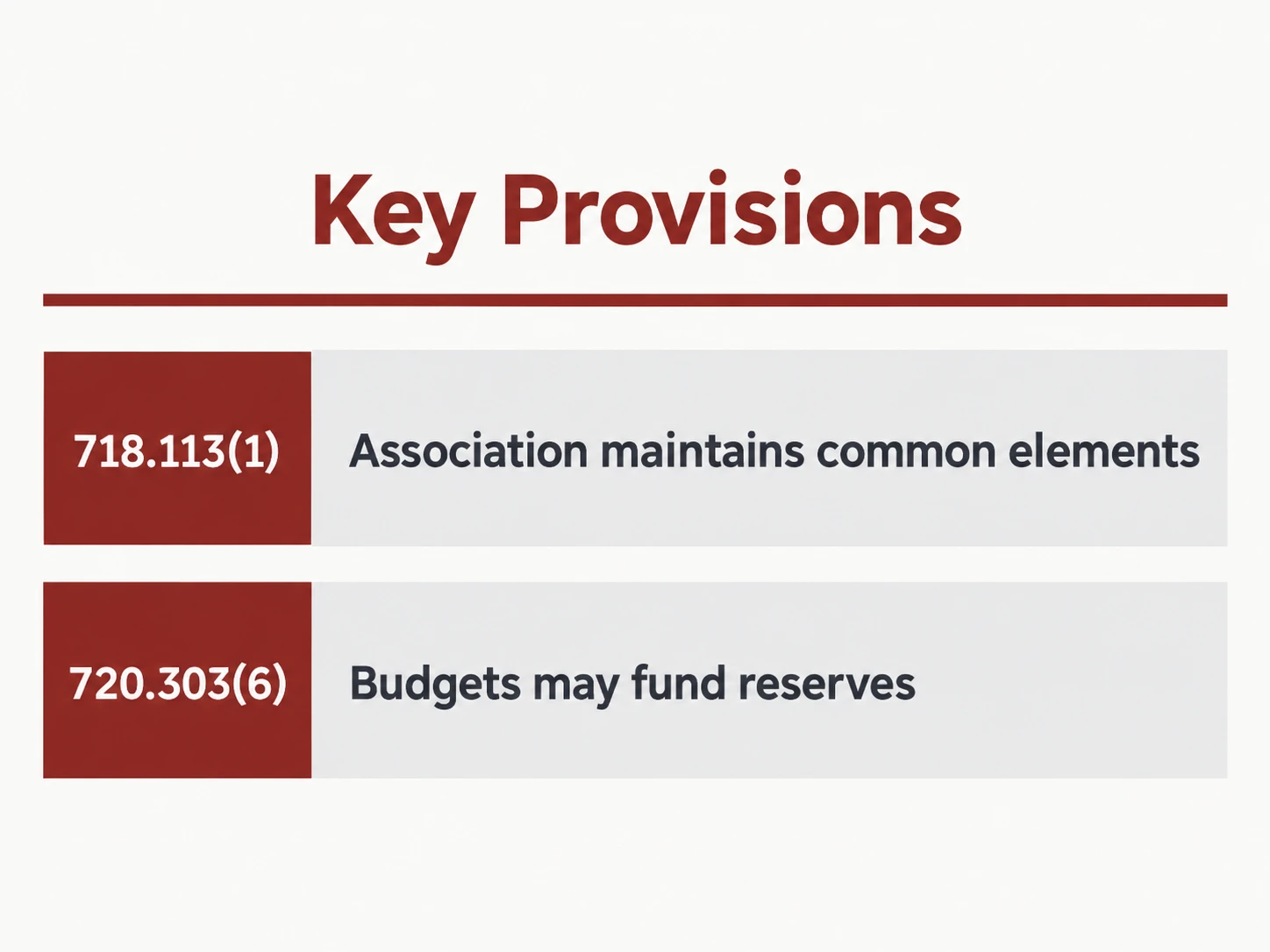
| 718.113(1) | Maintenance of common elements is the association's responsibility, except for limited common elements assigned to owners. |
| 720.303(6) | HOA budgets may fund reserves for deferred maintenance; underfunding requires a statutory notice. |
Sources
Frequently asked questions
Can an HOA require you to pressure wash your roof?
An HOA can require you to pressure wash your roof if it is specified in the community's governing documents or if the HOA has the authority to enforce maintenance standards to protect the community's appearance and property values.
Who is responsible for exterior maintenance in a Florida condo?
The association is responsible for maintaining the common elements, while individual unit owners are typically responsible for maintaining their own units, including limited common elements assigned to them by the declaration.
Who maintains common elements in a Florida condo?
The association is responsible for maintaining the common elements in a Florida condo, as specified in Florida Statute 718.113(1).
Can an HOA require owners to clean?
An HOA can require owners to clean their properties if the governing documents grant the HOA this authority and if the requirement is reasonable and necessary for the maintenance and appearance of the community.
What is a limited common element?
A limited common element is a portion of the common elements designated in the declaration for the exclusive use of one or more, but fewer than all, of the units in a condominium.
What does 718.113 say?
Florida Statute 718.113(1) states that the association is responsible for the maintenance of the common elements, except for limited common elements assigned to owners by the declaration.